Cleaning Greasy Camp Cookware with Hardwood Ash and River Sand
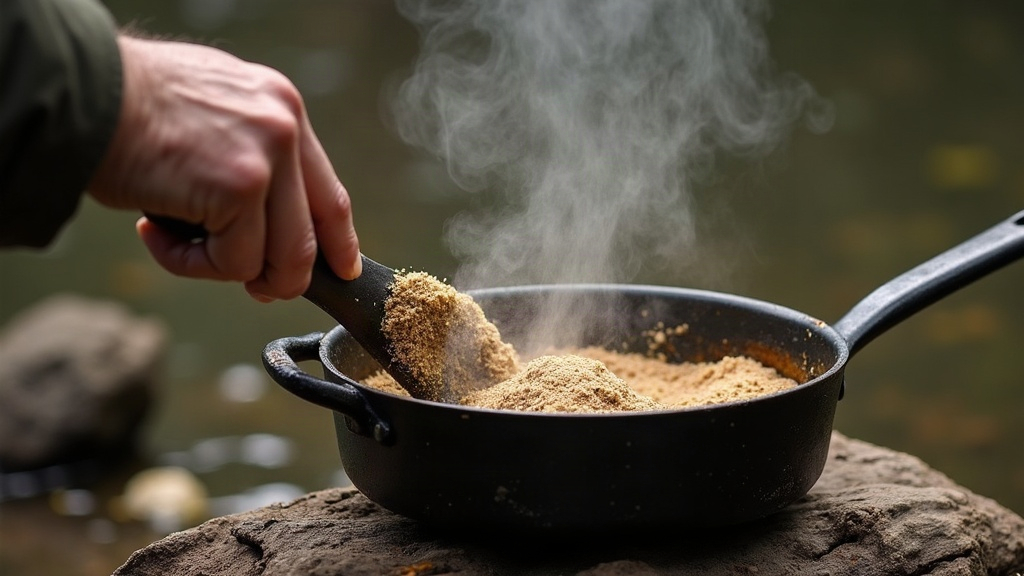
Greasy camp cookware ranks among the most annoying problems you’ll run into in the backcountry. Soap is heavy, you forget it half the time anyway, and if you rinse it into a stream you’re polluting water other people (and animals) depend on. Here’s the fix nobody tells you about: hardwood ash and river sand. Both sit right there at most campsites, free for the taking, and together they scrub pots clean without a drop of chemical soap. Campers, hunters, and bushcrafters have leaned on this trick for generations, and honestly, done right, it beats a squeeze bottle of Dawn.
Why Ash and Sand Work So Well
Ash isn’t just leftover fire debris you kick into the dirt. Mix it with a little water and it forms a weak lye solution, potassium hydroxide in its crudest form, which breaks down fat and grease almost on contact. It’s the same basic chemistry that gave us old-fashioned lye soap, minus the refining process.
River sand does the other half of the job. Because it’s been tumbled smooth by moving water (unlike the jagged stuff from a quarry or a gravel lot), it scrubs burnt-on food and grease loose without chewing up your cast iron, aluminum, or steel.
Put the two together and you’ve basically recreated dish soap and a scrub pad using nothing but fire and a riverbank. Ash dissolves the grease chemically, sand knocks it loose mechanically.
What You’ll Need
- Hardwood ash from a dead, cooled fire. Oak, maple, birch all work well. Skip pine or other softwood ash since it’s heavy on resin and light on usable alkali.
- Fine river sand, damp if you can get it, pulled from a stream bed or bank.
- Water for rinsing. You don’t need much, a cupful goes further than you’d think.
- Something to scrub with: a rag, a twisted bundle of grass, even a scrap of bark works fine.
Step-by-Step Cleaning Method
1. Scrape First
Knock off any loose food with a stick, a spoon edge, or your knife before you touch the ash or sand. Otherwise you’re just wasting cleaning material on a chunk of burnt rice you could’ve flicked off in two seconds.
2. Apply a Thin Layer of Ash
Sift out the chunks and sprinkle cooled ash right onto the greasy spots. Add a few drops of water, just enough to make a light paste. Go too heavy on the water and you get runny lye, which cleans worse and can irritate your skin.
3. Add Sand for Abrasion
Grab a small handful of damp sand and scoop it on top of the paste. It’ll stick to the ash and give you the grit you need to actually scrub.
4. Scrub in Circular Motions
Work it in small circles with your cloth, grass bundle, or even bare hands (fine in small doses, though ash will dry out your skin, so rinse off after). Focus on the carbon crust and grease rings where food’s baked on.
5. Rinse Thoroughly
Carry the pot away from your water source to rinse, over soil or gravel where runoff can soak in and filter naturally. Give it two rinses minimum. Leftover ash residue tastes bitter and soapy, and nobody wants that in their morning coffee.
6. Dry and Re-Season Cast Iron
For cast iron specifically, dry it over low heat right away, then wipe on a thin coat of cooking oil so it doesn’t rust or lose its seasoning overnight.
Safety Tips
- Keep it away from eyes and open cuts. The lye in ash is mild, but it’ll still sting.
- Never use ash from painted or treated wood. Whatever chemicals were in that paint can end up on your frying pan.
- Use clean sand only. Skip anything with visible leaves, bugs, or sharp mineral grit, since that stuff can scratch enamel or non-stick surfaces.
- Stay off non-stick cookware entirely. The abrasive scrub will tear up a Teflon coating fast. This method’s for cast iron, stainless, or aluminum only.
Leave No Trace Considerations
Don’t dump used ash and sand in one spot near a stream or lake. Spread it thin over dry soil instead. The method is already low-impact since you’re skipping soap and detergent altogether, but where you dump the leftovers still matters.
Final Thoughts
Hardwood ash and river sand have been cleaning camp cookware for longer than dish soap has existed, and the method still holds up: it cuts grease, doesn’t wreck your pans, and keeps your cleanup Leave No Trace-friendly. So next time you’re out of soap, or just trying to shave weight off your pack, skip the bottle. The fire pit and the riverbank will do the job just fine.