Calcium Hypochlorite Shock vs Iodine Tablets for Tannin Swamp Water
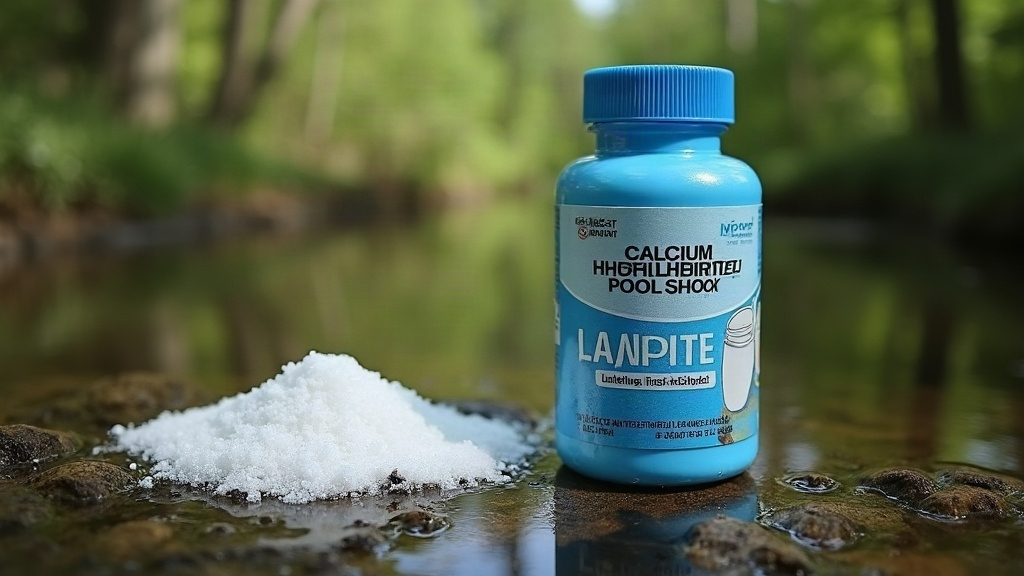
Calcium hypochlorite pool shock disinfects tannin-rich swamp water faster and more completely than iodine tablets, but neither one touches the tannins themselves. You’ll still need filtration or activated carbon to clear that tea-colored tint and the bitter aftertaste that comes with it. If you’re trying to make backcountry, bug-out, or rural well water safe to drink, knowing what each chemical actually does, and doesn’t do, will save you from a nasty surprise down the line.
Why Tannin Water Is a Different Problem
Tannins are organic compounds leached out of decaying leaves, bark, and peat. You’ll find them in swamps, blackwater rivers, and shallow wells sitting near wetlands. Tannin water tends to look and behave a certain way:
- Tea- or cola-colored, sometimes almost black
- Slightly acidic, usually pH 4.5 to 6
- Low in visible sediment but loaded with dissolved organic carbon
- A great hiding spot for bacteria, protozoa, and biofilm
The color and acidity aren’t just cosmetic problems. They actively interfere with disinfection chemistry, and that’s precisely where the choice between calcium hypochlorite and iodine starts to matter.
How Calcium Hypochlorite Performs in Tannin Water
Calcium hypochlorite (cal-hypo, the same granular “pool shock” you’d grab at a hardware store) releases free chlorine once dissolved. In clean water, roughly 1 teaspoon of 68% cal-hypo per 2 gallons gives you a stock solution strong enough to disinfect at just a few drops per quart.
Swamp water changes the math. Chlorine demand climbs sharply because all that organic matter soaks up chlorine before it ever reaches a pathogen. A few things to keep in mind:
- Dose higher, then test. Plan on roughly doubling your usual chlorine dose for heavily stained swamp water.
- Watch for disinfection byproducts. Chlorine reacting with high organic loads forms trihalomethanes (THMs). Fine for a few days in an emergency, not something you want to drink daily for months.
- Odor and taste get worse. Chlorine mixing with tannins creates a stronger “chemical pond” smell than you’d get in clear water.
- Color stays put. Chlorine kills pathogens; it doesn’t touch tannin pigment. You’ll end up with water that’s safe but still brown.
The upside of cal-hypo is speed and reliability. Dose it aggressively enough and it reaches breakpoint chlorination even in filthy water, and a free chlorine residual (cheap pool strips work fine) tells you it actually did its job.
How Iodine Tablets Perform in Tannin Water
Iodine tablets (tetraglycine hydroperiodide, the classic backpacking staple) work on a different principle, and they’re far more sensitive to organic interference. They were designed for clear to moderately turbid water, not swamp runoff.
- Organics eat the iodine first. In tannin-stained water, much of the iodine reacts with dissolved organics instead of pathogens, leaving less around to actually disinfect.
- Contact time stretches out. The standard 30-minute wait often isn’t enough; cold, cloudy, tannin-heavy water can need an hour or longer, and cryptosporidium barely notices iodine at any practical dose.
- Taste gets worse, not better. Iodine already tastes medicinal; add tannin bitterness and it’s unpleasant enough that people drink less than they should, which is its own danger in a survival situation.
- Not meant for long-term or sensitive use. Pregnant women, anyone with thyroid issues, and anyone using iodine beyond a few weeks should steer clear.
Iodine’s one real strength is portability. Tablets are light and simple, which matters on a day hike through wetlands where mixing cal-hypo granules just isn’t practical.
The Missing Step: Clearing the Tannins
Neither chemical solves the underlying problem. For water you’d actually want to drink, you need a two-stage process:
- Pre-filter through cloth or a coffee filter to strip out particulates and some of the color.
- Disinfect with cal-hypo (preferred) or iodine as a backup.
- Polish with activated carbon, whether that’s a charcoal filter, a Brita-style pitcher, or even a makeshift bucket filter packed with crushed charcoal, to pull out tannins and leftover chlorine or iodine taste.
Boiling kills pathogens regardless of water color, but just like chemical disinfection, it does nothing for tannin pigment or taste.
Which Should You Choose?
- At home or base camp, with time to prep: go with a calcium hypochlorite stock solution, dosed high, followed by carbon filtration. It’s basically the municipal-style approach, scaled down for one household.
- On the move, short-term, small volumes: iodine tablets are acceptable, but expect weaker protection against protozoa and a real need for carbon filtering afterward.
- Long-duration or family use: skip iodine. Its health warnings and reduced effectiveness in organic-rich water make cal-hypo (or a filter rated for cysts) the safer default.
Bottom Line
Calcium hypochlorite beats iodine tablets for disinfecting tannin-rich swamp water because it handles higher organic demand and still gives you a verifiable chlorine residual to confirm it worked. Iodine works fine as a lightweight backup, but it’s not a primary solution in water this dirty. Either way, pair whatever disinfectant you use with carbon filtration. That’s the only step that actually clears the tannin color and taste, the difference between water that’s merely “technically safe” and water you’d actually want to drink.