Digging Catholes in Frozen Ground Without Snapping Your Trowel
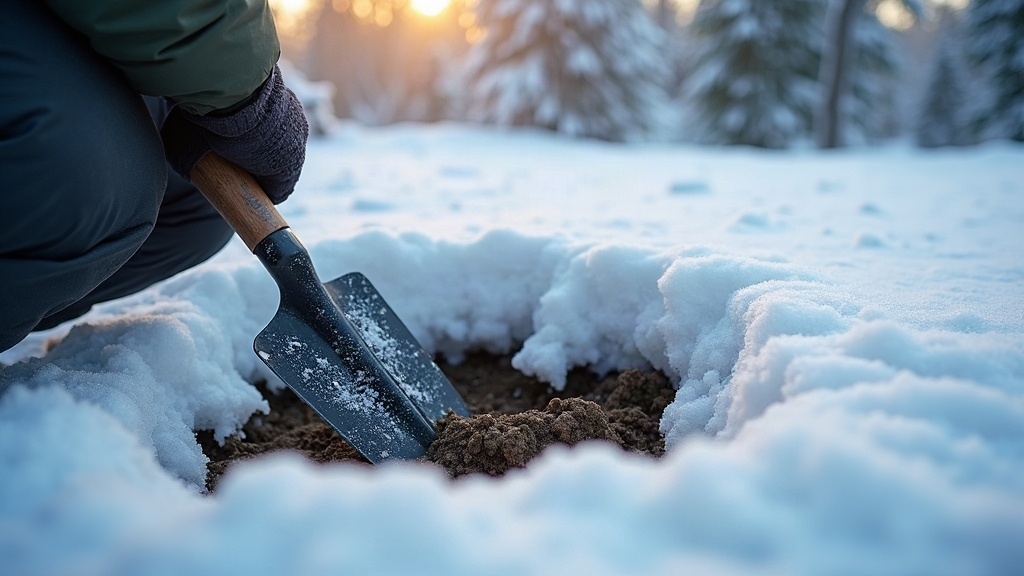
Digging a proper cathole in frozen winter ground without destroying your ultralight trowel comes down to timing, technique, and knowing when to ditch the whole approach. Most ultralight trowels are built for soft forest duff and loamy soil, not the concrete-like permafrost or crusted snowpack you’ll run into come winter. Here’s how to actually get it done.
Why Frozen Ground Breaks Trowels (and Plans)
Standard Leave No Trace guidance calls for catholes 6-8 inches deep. Problem is, frozen topsoil can stay rock-hard for the first several inches before it finally softens underneath. Ultralight trowels, often thin aluminum or plastic composite weighing under an ounce, are built to scoop, not chisel. Lean one into frozen dirt with any force and you’ll bend the blade or snap the handle right at the weak point near the grip. I’ve watched someone do exactly this ten minutes from camp, left holding half a trowel.
The real problem isn’t just gear damage, though. Waste buried in frozen ground doesn’t break down the way it would in warmer soil. Microbial activity that decomposes waste slows way down below 40°F and basically halts once the ground freezes solid. So improperly buried waste can just sit there for months, creating a contamination risk once spring thaw hits.
Scout Before You Dig
Before committing to a spot, spend two extra minutes scouting:
- South-facing slopes thaw faster and stay softer longer thanks to direct sun exposure.
- Areas near rock outcrops often hold onto residual ground heat and freeze less deeply.
- Avoid wind-packed drifts. They compact into something closer to ice than dirt, worse than plain frozen ground.
- Look for duff pockets under conifers, where fallen needles insulate the soil underneath.
If you’re camped above treeline or in alpine terrain where soil freezes several feet down, a true cathole may simply not be possible. In that case, follow local land management guidance. Many alpine zones require pack-out waste bags (WAG bags) precisely for this reason.
Technique: Work With the Ground, Not Against It
- Clear snow first. Use your boot or a stick to clear surface snow down to bare ground before your trowel ever touches it. Snow adds friction and hides obstacles like roots or rocks you won’t see coming.
- Break the crust, don’t pry it. Use the trowel’s edge in short, controlled jabs to score a crosshatch pattern across the surface, rather than trying to lever up big chunks. This breaks the frozen crust into manageable pieces without stressing the blade.
- Angle matters. Hold the trowel steeper than you would in soft soil, closer to 70-80 degrees. A shallow angle dumps all the force onto the tip, and that’s exactly where most trowels fail.
- Switch to a rigid tool for the first inch. A tent stake, ice axe spike, or trekking pole tip will break through that hardest top layer. Save the trowel for the softer digging underneath.
- Widen instead of deepening if you hit a layer you can’t get through. A wider, shallower hole in thawed soil with decent microbial exposure beats a narrow hole abandoned halfway into frozen dirt.
When to Carry a Backup Plan
Experienced winter backpackers often carry one of these alongside their trowel:
- A lightweight aluminum tent stake, dual-purposed for breaking crust (adds almost no weight to your pack)
- WAG bags or waste disposal kits for truly frozen or alpine terrain where digging just isn’t on the table
- A small folding saw tool edge, if you already carry one, handy for scoring through icy crust
Covering and Disguising the Site
Once you’re done, fill the hole back in with the loosened dirt and crust pieces, then tamp it down with your boot. In frozen conditions, natural camouflage, pine needles, snow, loose rocks, helps hide the site until spring thaw finishes the decomposition job on its own.
The Bottom Line
Digging catholes in frozen ground isn’t about muscling through it. It’s about reading the terrain, breaking crust strategically, and protecting both your gear and the ground you’re standing on. When the ground simply won’t cooperate, don’t force it. Switch to a WAG bag system instead of leaving shallow-buried waste that won’t break down until long after you’ve moved on. A few minutes of smart scouting saves your trowel and keeps winter backcountry travel genuinely low-impact.