Black Bear vs Grizzly Scat and Tracks: Spring Emergence ID Guide
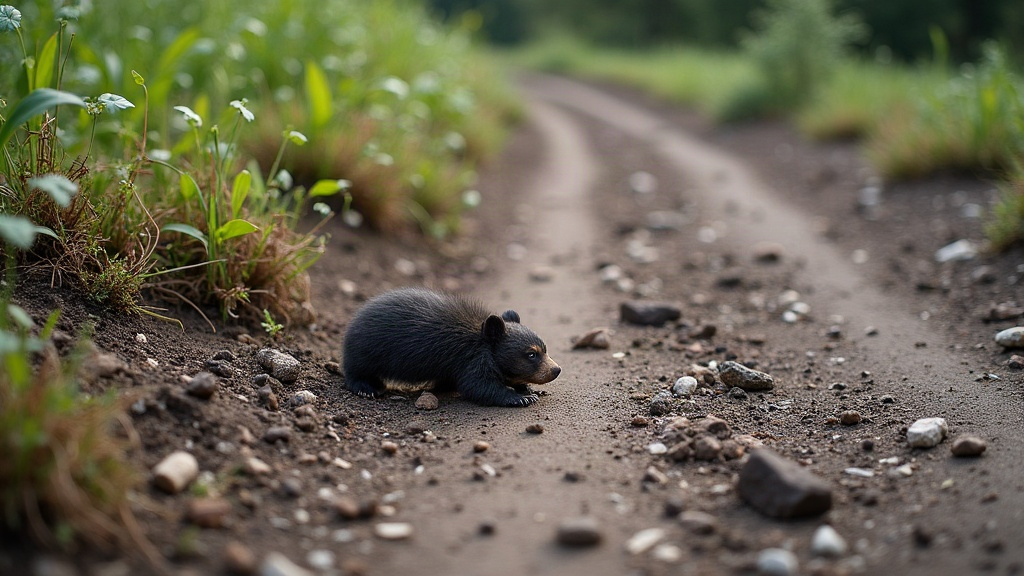
Spring Bear Sign: Telling Black Bear Tracks and Scat from Grizzly
Spring emergence is one of the trickiest times to read bear sign. Both black bears and grizzlies stumble out of their dens around the same window, hungry and restless, and they end up leaving fresh tracks and scat on the exact same muddy trails. Telling them apart isn’t just a fun tracking exercise, it actually matters for your safety, and it affects what kind of bear spray you carry, how you store food, and how cautious you are on the trail. This guide walks through the features experienced trackers and wildlife biologists actually use to separate black bear sign from grizzly sign.
Why Spring Sign Is Confusing
When bears first crawl out of their dens, somewhere between March and May depending on elevation and latitude, their diet flips almost overnight. Gone are the berries and nuts of fall. In their place: early spring vegetation, grasses, roots, winter-killed carrion, and whatever insects they can scrounge up. The result? Both species end up producing scat that looks remarkably similar during this stretch, usually green, fibrous, and loosely formed, nothing like the compact, seed-packed scat you’d find in late August. Because the diets overlap so much, size and location tell you more in spring than color or content ever will.
Identifying Tracks: The Claw and Toe Test
Tracks are usually your best bet, especially in soft mud or those lingering snow patches that stick around well into spring.
Front Paw Size
- Black bear: Front track typically 3.5–5.5 inches wide
- Grizzly bear: Front track typically 5.5–8 inches wide, noticeably bulkier overall
Claw Marks
- Black bear: Claws are short and curved, usually leaving marks less than 1 inch ahead of the toe pads. Sometimes there’s no visible claw mark at all.
- Grizzly bear: Claws are long, built for digging, and often punch marks 2–4 inches ahead of the toe pads, clearly separated from the pad itself.
Toe Arrangement
Try this: draw an imaginary line across the base of the toes. On a grizzly track, that line comes out fairly straight. On a black bear track, the toes arc more, curving noticeably, with the smallest toe sitting back from the rest like it’s lagging behind.
Trail Width
Grizzlies carry that shoulder hump and a broader build, which gives them a wider stance. If the trail width (the gap between left and right paw prints) runs past 9 inches, that’s often a grizzly signature. Black bear trails tend to stay narrower.
Identifying Scat: What to Look For
When it comes to scat in spring, forget color for a minute and focus on size and how it’s deposited.
- Diameter: Black bear scat usually measures 1–1.5 inches across. Grizzly scat tends to run over 2 inches, and in big individuals you’ll sometimes see 2.5 to 3 inches.
- Volume: A single grizzly deposit is often noticeably bulkier overall, which makes sense given how much bigger these animals are and how much more they eat.
- Content in spring: Both species can leave green, grassy-looking scat, but grizzly scat is more likely to carry bits of dug-up roots, bulbs, or sedges, since grizzlies dig like it’s their job. Black bear scat in forested areas, on the other hand, more often shows leftover berries from fall caches or insect bits, ant exoskeletons being a classic giveaway.
- Shape: Both can show up as loose piles or tube-like segments, but if you’re looking at a very large, loosely segmented pile, that’s leaning grizzly.
Other Spring Sign to Check
- Digging: Grizzlies tear up the ground looking for roots, rodents, and ground squirrels. If you spot large excavated patches of soil near a trail, that’s a strong grizzly clue, because black bears just don’t dig with that kind of intensity.
- Tree marking: Both species claw and rub against trees, but grizzly claw marks on bark tend to run deeper and spread wider apart, a direct result of those longer claws.
- Carcass sites: Both species will scavenge winter-killed animals once the snow melts, but grizzlies tend to guard a carcass more aggressively. Bottom line: treat any fresh kill site with extreme caution no matter which species you think made it.
Habitat and Range Context
Where you are narrows things down fast. Grizzlies stick mostly to parts of the northern Rockies, the Yellowstone ecosystem, and Alaska and western Canada. Black bears, meanwhile, range across pretty much all of North America, including plenty of places where grizzlies simply don’t exist. Pull up a current range map for your trail region before you head out. If you’re somewhere grizzlies have never been documented, even unusually large sign is almost certainly a big black bear, not a grizzly.
What To Do When You Find Fresh Sign
- Treat fresh, moist scat or tracks (sharp edges, no rain damage yet) as a sign the bear could be close by, maybe just around the next bend
- Make noise, travel in groups, and don’t assume silence means safety
- Carry bear spray rated for grizzly encounters no matter which species you’re expecting, since it works on both
- Back away from the area instead of leaning in for a closer look
Conclusion
Telling black bear scat and tracks apart from grizzly sign in spring really comes down to measurements and context, not color or diet, since both species are eating nearly the same things right after denning. Pay attention to claw mark distance, track width, scat diameter, and where you actually are on the map. If you’re ever unsure, assume the more cautious option and adjust your behavior on the trail accordingly. Better to over-prepare for a grizzly that turns out to be a black bear than the other way around.