Processing Burdock Root for Trail Calories in Late Autumn
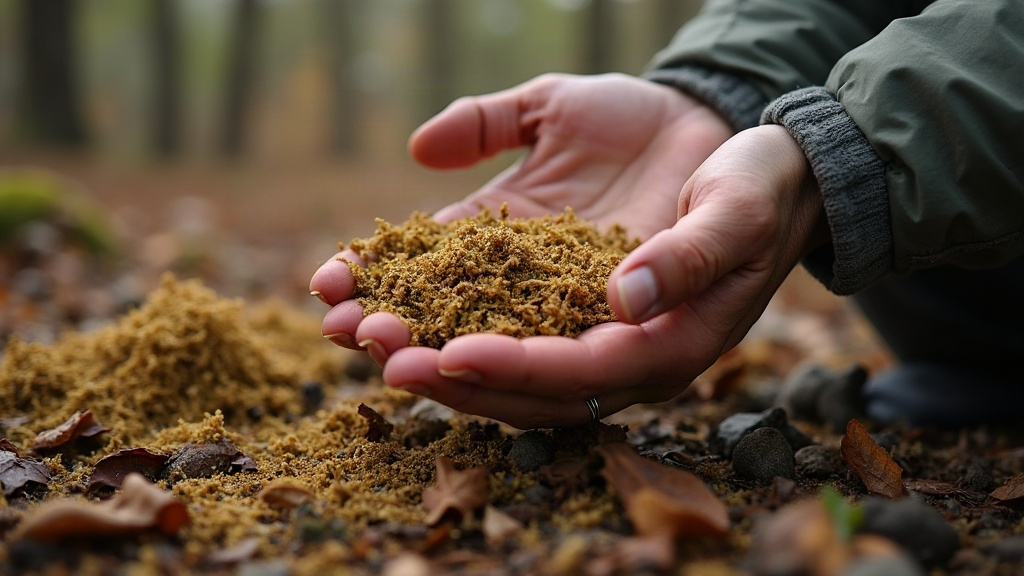
Burdock root (Arctium lappa and Arctium minus) might be the single best calorie source a forager can dig up once the leafy greens have shriveled and the last berries are gone. This piece covers how to spot the right plants, how to get the taproot out of the ground in one piece, and what to actually do with it once you’re back at camp or still standing there hungry on the trail.
Why Late Autumn Is the Best Time to Dig Burdock
Burdock is biennial, which matters more than people think. In year one, it’s just a low rosette of big, heart-shaped leaves, quietly stuffing a long taproot with stored energy. That root is at its best right before the plant shuts down for winter, usually late September into November depending on where you are. Tender, starchy, not stringy.
By year two, the plant has thrown up a tall flower stalk covered in those annoying burrs, and nearly all its energy has gone into making seeds. The root by then is woody, often hollow, and bitter enough to ruin your dinner. So keep it simple:
- Only dig first-year rosettes — a cluster of large leaves hugging the ground, no stalk, no burrs.
- Wait for a few frosts, but get to it before the ground locks up solid. Cold is actually your friend here: it pushes the plant to concentrate starch (mostly inulin) down in the root.
Identifying Burdock Correctly
Don’t start digging until you’ve nailed the ID. Check for:
- Leaves: Big, sometimes up to 20 inches long, heart- or arrowhead-shaped, woolly white on the underside, edges a bit wavy.
- Stem: Hollow and ribbed, if there’s a stem at all on a first-year plant.
- Smell: Earthy, mild. Nothing sharp or acrid.
- Watch out for look-alikes: People confuse burdock with rhubarb sometimes (rhubarb leaves are rounder, no wool underneath), but the real danger is mistaking it for a young foxglove rosette. Foxglove leaves have that quilted, deeply veined look and skip the wool entirely. If you’re not 100% sure, find a second-year burr-bearing plant nearby to confirm the species before you dig anything.
Digging the Taproot Without Snapping It
These roots go down 2-3 feet, sometimes more, and a snapped root half-left in the dirt is just wasted sweat. A few things that actually help:
- Loosen the soil in a wide ring around the rosette, starting 8-10 inches out, instead of stabbing straight down next to the stem.
- Grab a digging stick, hori-hori knife, or a small folding shovel and work the soil loose gradually, following the root down at whatever angle it wants to go, not fighting it straight down.
- Rocky or clay ground means you should expect some breakage, plain and simple. Take what you get. Even a stubby 6-inch piece is worth keeping.
- Look for burdock growing in loose, sandy, or disturbed dirt, roadside verges and field edges are usually a good bet. Those come up almost effortlessly compared to anything rooted in compacted clay.
Processing Burdock Root for Trail Use
Fresh, the root tastes mild and a little sweet, earthy, somewhere between a potato and a sunburst artichoke. Makes sense, given the family it belongs to. Here’s what to actually do with it once it’s out of the ground.
1. Clean and Peel
Scrub the dirt off with water or a stiff brush, then peel the thin outer skin with a knife. It’s fibrous and carries most of the bitterness.
2. Reduce Bitterness (Optional but Recommended)
Cut the root into thin coins or matchsticks and let them soak 20-30 minutes, swapping the water once partway through. This draws out a chunk of the tannins and bitter edge without stripping away much of the inulin.
3. Cooking Methods in the Field
- Boil: 15-20 minutes, until a fork slides in easily. Eat it plain or mash it up.
- Roast over coals: Wrap the sliced root in foil or wet leaves and let it sit near the coals 20-30 minutes. This is where the sugars caramelize and the bitterness backs off noticeably.
- Pan-fry: Slice thin, throw it in whatever fat you’re carrying, and you get something close to a chip.
4. Drying for Long-Term Trail Storage
If you’re thinking further ahead than tonight’s dinner, dry the root instead of eating it fresh:
- Cut into coins about 1/8 inch thick.
- Air-dry on a rack, or string the pieces up and hang them near (not over) a fire for a few hours.
- Once fully dry, the chips keep for weeks in a cloth or paper bag, and they rehydrate fast in boiling water, good for tossing into a quick trailside stew.
Dried burdock weighs almost nothing but packs a decent calorie punch for its size, and it can be crushed into a powder to thicken broth in a pinch.
A Note on Digestibility
Most of burdock’s carbohydrate content is inulin, a fiber your gut bacteria ferment rather than something your body breaks down directly. Eat too much of it raw or undercooked and you’ll likely end up bloated, gassy, uncomfortable. Cooking it well takes care of most of that. So don’t treat burdock as a raw trailside nibble, it’s a cooked staple, not a snack you grab and chew on the move.
Conclusion
Burdock root pays off for anyone willing to get their hands dirty, literally. Late autumn is that narrow stretch when the root hits its peak, sweet, starchy, and honestly everywhere once you know what to look for, growing along disturbed ground across most of temperate North America and Eurasia. Get the first-year ID right, dig carefully, and finish with a boil, a roast, or a proper dry-and-store, and burdock turns into a genuinely reliable calorie source for the late-season trail kit.