Finding Fatwood in Pine Stumps for Emergency Winter Fire Starting
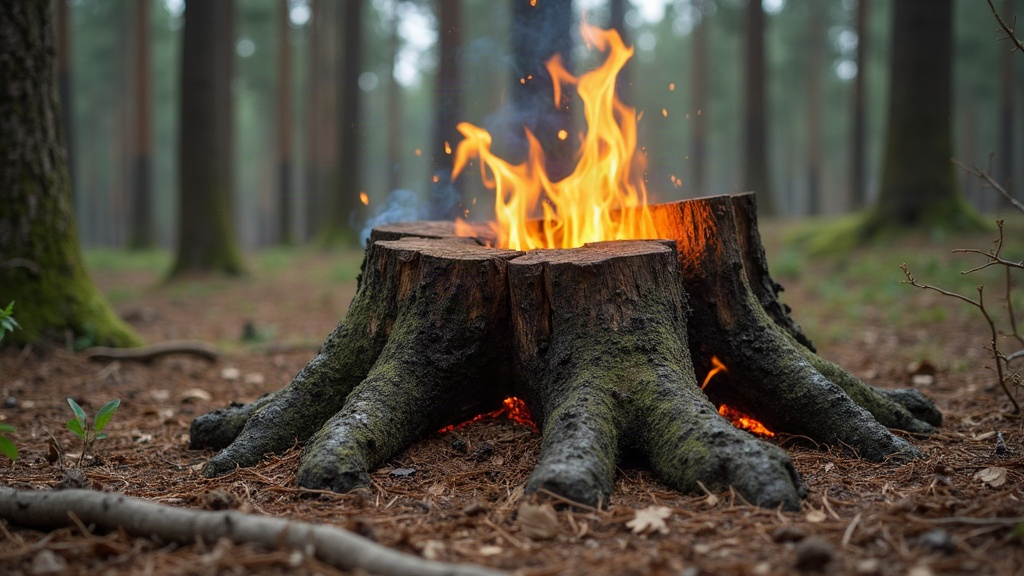
When winter turns wet, windy, or just plain brutal, few fire starters beat fatwood: the resin-soaked heartwood you find in rotting pine stumps and old dead branch stubs. Here’s exactly where to find it, how to spot it in the field, and how to harvest it so you’re never caught without a reliable way to get a flame going.
What Is Fatwood, Exactly?
Fatwood (you’ll also hear it called “fat lighter,” “pitch wood,” or “heart pine”) shows up after a pine tree gets injured, dies, or topples over. As the sapwood rots away, the tree pushes resin (mostly terpenes and rosin) into the heartwood near the stump base, old branch collars, and root junctions. That resin works like a natural preservative. So while the rest of the tree turns into soft, spongy mulch, this core stays intact for years, sometimes decades.
What you end up with is a dense, amber to orange chunk of wood that:
- Smells strongly of pine turpentine
- Feels noticeably heavier and oilier than regular dead wood
- Catches fire even when wet, because the resin itself burns
- Burns hot and long, perfect for getting bigger fuel to take
Where to Look: The Best Locations
1. Old Pine Stumps
Your best bet is a pine stump that’s been dead for several years. Check for stumps where the outer sapwood has gone soft, punky, and crumbly, almost like cork, while the inner core is still rock hard. That dark, resin-heavy core is what you’re after.
2. Knots and Branch Stubs
Resin piles up around knots, the spots where branches once attached to the trunk. On fallen trees or snapped limbs, these knots often survive long after the rest of the branch has rotted to nothing. Break away the punky wood around a knot and you’ll often uncover a golden, saturated core underneath.
3. Root Crowns Below the Stump
On older stumps, the spot where the trunk meets the roots often hides a dense resin pocket. This is especially true on the side that took the brunt of wind or mechanical stress while the tree was alive.
4. Lightning-Struck or Fire-Scarred Trees
A tree that survives damage, whether from a storm, an old fire, or insects, tends to flood the wound site with extra resin as a defense response. That means thick fatwood deposits often cluster right around old scars.
How to Identify It Without Cutting Into Every Stump
- Smell test: Scratch the surface with a knife. Real fatwood hits you with a sharp turpentine smell right away.
- Weight test: Pick up a chunk. If it feels unusually heavy for its size, that’s the resin talking.
- Color test: Slice off a thin sliver. Genuine fatwood shows streaks of deep orange, red, or amber running along the grain.
- Burn test: Hold a small shaving to a flame. It should catch fast and burn with a slightly sooty, resinous flame, almost like a tiny candle.
Harvesting Tips for Winter Conditions
- Bring a folding saw or hatchet. Frozen stumps don’t split easily by hand, trust me.
- Shave off thin curls with a knife instead of hacking out big chunks. Curls light faster and let you check quality before you commit to hauling out a whole piece.
- Grab more than you think you’ll need. Fatwood doesn’t degrade in storage the way other tinder does, so there’s no downside to overpacking.
- Keep shavings in a dry pouch or tin, away from wet gear. Even fatwood catches faster when it’s bone dry.
Why This Matters for Winter Emergencies
Standard tinder, dry grass, birch bark, scrap paper, tends to fail in cold, wet environments because moisture sneaks in before you ever get a spark going. Fatwood basically shrugs this problem off thanks to its resin content. Pull a few shavings from the core of a stump, even one that’s been sitting under snow for weeks, and you can peel it dry from the inside. It’ll still light reliably with a ferro rod, a lighter, or even a friction-fire coal.
Final Thought
Once you learn to spot decaying pine stumps, knots, and root crowns, you’ve got a renewable, dependable source of fire-starting material that works exactly when conditions are worst. And here’s the thing: once you’ve found and tested a single real piece of fatwood, you’ll know it instantly the next time you see it. You’ll never walk past an old pine stump without giving it a second look again.