Tree Branch Transpiration Bags: Emergency Water in Drought
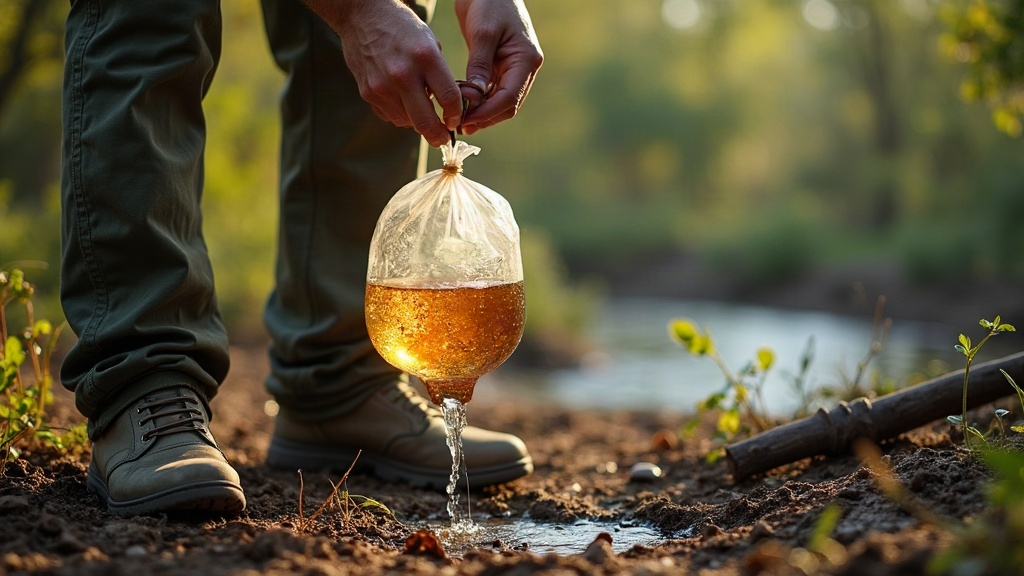
When streams run dry and groundwater seems like a rumor from a different season, the trees standing right next to you might still be sitting on a usable water reserve. Transpiration bags (clear plastic bags tied around leafy branches) capture the water vapor plants release into the air and condense it into a few ounces of clean, drinkable liquid. It’s slow going, sure, but it’s also one of the only passive water-collection tricks that costs you almost zero energy, which matters a lot during summer droughts when sweating and overexertion are working against you just as hard as the heat is.
How Transpiration Bags Actually Work
Plants draw water up through their roots and vent the excess through tiny leaf pores called stomata. That’s transpiration. On a hot day, a single healthy tree can push out dozens of gallons of water, though normally that moisture just vanishes into the air without anyone noticing.
A transpiration bag catches that vapor before it gets away:
- Sunlight heats the air trapped inside the sealed bag.
- Vapor released by the leaves condenses on the plastic’s inner surface.
- Gravity drags those droplets down into a collection pocket or low corner.
What you end up with is basically distilled water. No bacteria, no salts, almost none of the contaminants you’d find in ground or puddle water, since the water had to evaporate and recondense to get there. That means you can drink it straight, no filtering or boiling required.
What You’ll Need
- A clear plastic bag (1-2 gallon capacity minimum; clear plastic beats tinted or colored every time)
- Cordage, zip ties, or plain string
- A small pebble or something with a bit of weight (optional, helps create a low collection point)
- A living, leafy branch sitting in full sun
Skip any bag with holes or deep creases. Even a small breach lets humidity leak out and tanks your yield.
Step-by-Step Process
1. Choose the Right Branch
Pick a healthy, leafy branch that sits in direct sun most of the day. Broad-leaved deciduous trees and shrubs beat conifers almost every time. And stay away from low branches near the ground, where shade and cooler temps slow down condensation.
2. Bag the Foliage
Slide the bag over a cluster of leaves, packing in as much leaf surface as you can without overstuffing the bag. More leaves exposed inside means more transpiration, which means more water.
3. Seal It Tight
Gather the bag’s opening snug around the branch and tie it off hard. Any gap at all cuts into humidity buildup and your final water yield. A drooping corner, or a pebble tucked inside, helps funnel condensation toward one low point so collection is easy.
4. Position for Maximum Sun
Direct sunlight speeds everything up, dramatically. One bag in full sun can out-produce three bags stuck in partial shade.
5. Wait and Harvest
Depending on humidity, temperature, and how healthy the plant is, expect anywhere from a few tablespoons up to half a liter over 4 to 8 hours. Harvest late afternoon or evening, before temperatures drop and the leaves start reabsorbing the condensation overnight.
Maximizing Your Yield
- Run multiple bags. One bag almost never gives you enough water on its own. Set up 4 to 6 across different branches or even different trees if you want this to actually matter for your water supply.
- Go for the sunniest side of the tree, south-facing if you’re in the Northern Hemisphere.
- Steer clear of toxic plants. Oleander, poison sumac, and similar species can taint the vapor. Stick with trees you know are safe: maple, willow, cottonwood, or non-toxic desert shrubs.
- Leave the bag alone mid-process. Peeking inside too early lets the built-up humidity escape and basically resets the clock.
Is the Water Safe to Drink?
Yes. Transpiration water is essentially distilled, so it’s free of pathogens, dirt, and dissolved salts. It won’t taste like much, no minerals in it, a bit flat on the tongue, but in a real survival situation that’s hardly a complaint. Unlike pond water or whatever’s sitting in a puddle, this stuff needs no boiling and no filtering before you drink it.
When This Method Makes Sense
Nobody should rely on transpiration bags as a daily water source. Think of them as a slow backup technique, best used when:
- You’re in a prolonged drought with no visible water sources anywhere
- Saving energy is critical (no fire to boil water, no pumping, no long hike to a stream)
- You want to supplement water from solar stills, dew collection, or rainwater catchment
Final Thoughts
Transpiration bags won’t fill your canteen by morning, but they’re a genuinely clever way to pull hidden water out of what looks like a bone-dry landscape. Set up several at dawn, harvest at dusk, and during a long summer drought that routine could be the difference between dangerous dehydration and holding out long enough to find a real water source. Pair it with dew collection and some basic shade discipline, and you can stretch your survival window a lot further than you’d think, even when there’s no water in sight.