Foraging Jewelweed for Poison Ivy Relief in Humid Summer Treks
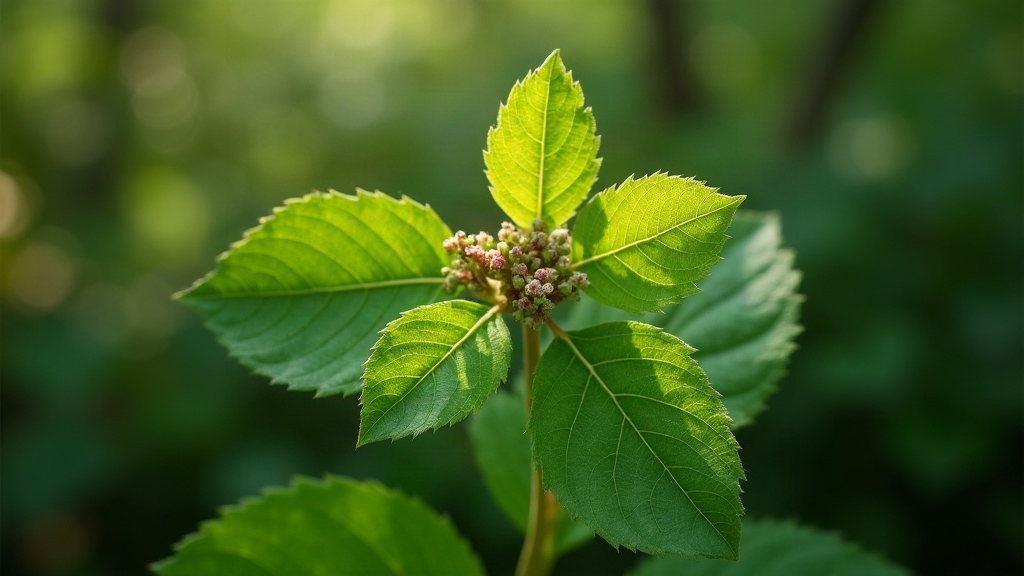
If you’ve ever brushed through poison ivy on a sticky summer hike, chances are relief was growing within a few feet of you the whole time. Jewelweed (Impatiens capensis and Impatiens pallida) is one of the most trusted backcountry fixes for poison ivy exposure, and it tends to pop up in the same damp, shaded spots where poison ivy likes to hide. Here’s how to spot it, harvest it without wrecking the patch, and put it to use before that itch turns into a full-blown rash.
Why Jewelweed Works
Jewelweed carries compounds, saponins among them, plus a substance called lawsone, that seem to neutralize urushiol, the oily resin found in poison ivy, poison oak, and poison sumac that triggers the allergic reaction. The research is honestly a mixed bag; some studies back it up, others shrug. But ask any longtime hiker or herbalist and they’ll tell you the same thing: slap it on fast, right after contact and before the rash sets in, and it works often enough to be worth the five minutes it takes.
How to Identify Jewelweed
Getting the ID right matters. Grabbing the wrong plant in the woods isn’t a great idea. Here’s what to look for:
- Stems: Translucent, jointed, a little succulent-looking, almost swollen at each node.
- Leaves: Oval, edges scalloped like a pie crust, arranged alternately up the stem. Dunk one in water and it turns a silvery, almost metallic color, which is actually where the “jewel” in jewelweed comes from.
- Flowers: Orange with freckled spots (Impatiens capensis) or a soft pale yellow (Impatiens pallida), trumpet-shaped with a little curled spur trailing off the back. You’ll see them bloom from mid to late summer.
- Habitat: Wet, shady ground, stream banks, wetland edges, the soggy margins of forest trails. Funny enough, it often grows right next to poison ivy, like the woods planted its own antidote nearby.
- Height: Usually 2 to 5 feet, with a loose, bushy, somewhat scraggly look.
Don’t mistake it for other broadleaf plants growing close by. And if you’re even a little unsure of your ID, skip applying it to skin that’s already broken or raw. Not worth the gamble.
Harvesting Jewelweed in the Field
- Cut it, don’t yank the whole plant out. A knife or scissors works fine. Leave the roots in the ground so the patch keeps coming back next season.
- Grab a decent handful. A few stems won’t cut it; you need enough material to actually squeeze out juice.
- Crush it right away. Hands, a flat rock, the back of your knife blade, whatever’s handy. Keep working it until it releases that greenish, slightly slimy juice.
Applying Jewelweed for Poison Ivy Relief
- Rub the crushed plant straight onto exposed skin as soon as you can after contact, ideally within 10 to 30 minutes, before the urushiol has a chance to really sink in.
- Reapply every few hours if you’re already itching, red, or a little swollen.
- Build a quick poultice by wrapping the crushed stems in a bandana and pressing it against the spot for longer contact.
- Boil it down if you’ve got a stove. Simmer chopped stems and leaves for 10 to 15 minutes, let it cool, then use the liquid as a rinse or soak. Long-distance hikers who bushwhack through overgrown sections sometimes pre-treat their gear and clothes with this stronger batch.
When Jewelweed Isn’t Enough
Jewelweed is an early-response tool, not a cure for a rash that’s already taken hold. Get real medical attention if you notice:
- Blisters spreading fast or covering large patches of skin
- Swelling near the eyes, face, or genitals
- Signs of infection: increasing warmth, pus, red streaking
- Trouble breathing (this can happen from inhaling smoke if someone’s burned poison ivy nearby)
If any of that shows up, oral antihistamines, hydrocortisone cream, or a trip to urgent care are the smarter moves.
Preventing Exposure on Humid Trail Days
Humidity makes your skin more absorbent, so urushiol soaks in faster and the resulting rash tends to be worse. A few ways to cut your risk:
- Wear long pants and gaiters on trails that are overgrown or brushy
- Wash exposed skin with cold water and soap within the first hour (skip the hot water, it opens your pores and makes things worse)
- Keep a small vial of pre-made jewelweed extract in your pack if you know you’re heading through poison ivy territory
Final Thoughts
Jewelweed is one of those practical, easy-to-find remedies that works even better when you pair it with basic prevention habits. Once you learn to spot it growing alongside poison ivy, a pretty annoying summer hazard becomes something you can actually manage, often with the cure growing a few steps from the plant that caused the trouble. Like any foraged remedy, it comes down to two things: knowing exactly what you’re picking, and getting it on your skin fast.