Traditional Suet-Based Pemmican for High Altitude Winter Rationing
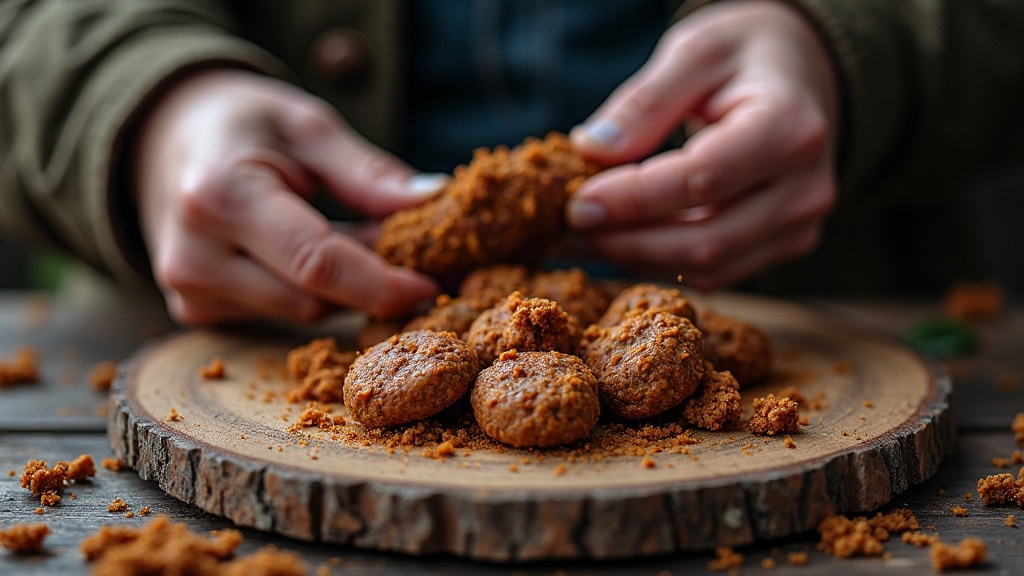
Suet-based pemmican is still one of the most dependable calorie-dense foods you can carry into high-altitude winter conditions. Done right, it packs over 3,500 calories per pound, needs no refrigeration, and won’t spoil or weigh you down. This guide covers the traditional method: rendering suet, drying lean meat, and combining both with dried fruit, so you end up with a trail ration that actually holds up in subzero, oxygen-thin environments where a standard energy bar just turns into a frozen brick.
Why Suet, Not Just Any Fat?
Fat isn’t fat when you’re dealing with cold and altitude. Suet, the hard, crumbly fat found around beef or bison kidneys, has a notably higher melting point and smoke point than lard or vegetable shortening. Two things come out of that:
- Stability: Suet holds its shape at warmer ambient temps. Drop into a sheltered valley or let your pack sit near a campfire, and your pemmican won’t turn into a greasy mess the way it would with softer fats.
- Caloric density: Rendered suet is close to pure fat, roughly 900 calories per 100 grams. At 10,000 feet and above, where your body burns extra energy just staying warm and keeping oxygen uptake up, that density matters a lot.
Indigenous peoples of the Northern Plains and Arctic regions built suet-based pemmican for exactly this reason: it didn’t break down on long winter journeys the way fattier cuts tend to, going rancid within weeks instead of lasting months.
Ingredients and Ratios
The classic high-altitude ratio runs close to 1:1, rendered fat to dried meat, with dried fruit thrown in for micronutrients and a bit of flavor:
- 1 lb lean beef or bison, trimmed of all visible fat (the fat gets rendered on its own)
- 1 lb raw beef suet
- 4–6 oz dried berries (chokecherries, cranberries, or blueberries), finely chopped
- Optional: a pinch of salt for taste, it’s not needed for preservation
Step-by-Step Preparation
1. Dry the Meat Properly
Slice the meat into thin strips, about 1/8 inch, against the grain. Dry at 145–160°F in a dehydrator or low oven for 6 to 8 hours, until it snaps cleanly instead of bending. Any leftover moisture is an invitation for bacteria during storage. Honestly, this is where most home batches of pemmican go wrong.
2. Render the Suet Slowly
Cube the suet and melt it over low heat, staying under 250°F, for 1 to 2 hours, stirring now and then. Strain through cheesecloth to pull out connective tissue and other bits. A cleaner render means longer shelf life. Properly rendered suet pemmican has kept for years in cold climates without going bad.
3. Pulverize the Meat
Grind or pound the dried meat down to a coarse powder, either in a food processor or with a mortar and pestle. More surface area means the fat soaks in evenly, so every bite carries a balanced dose of calories instead of dry patches and greasy pockets.
4. Combine While Fat Is Liquid
Mix the powdered meat with the chopped dried fruit, then pour in the suet while it’s still warm (not boiling). Work it by hand or with a spoon until it looks like damp sand, the kind that clumps together when you press it.
5. Form and Cool
Press the mixture into bars, balls, or small pouches made of cloth or wax paper. Let it cool and harden at room temperature, then move it somewhere cool and dark for storage.
Storage for Extended Winter Trips
- At altitude/cold climates: Kept dry and sealed, suet pemmican can last months without refrigeration.
- Vacuum sealing: Worth doing if you’re prepping weeks ahead of a multi-week expedition. It stretches shelf life further and keeps freezer burn away.
- Portioning: Split the batch into daily rations (4–6 oz each) before you leave. Trying to hack a frozen block apart with cold fingers on day three of a trip is not fun.
Eating Pemmican at High Altitude
Cold air turns pure suet pemmican into something closer to a hockey puck. A few things that help:
- Tuck a portion in your jacket pocket or close to body heat so it softens before eating.
- Drop a piece into hot tea or broth. It softens the pemmican and adds hydration at the same time, two birds, one cup.
- If you want quick carbs on top of the fat and protein, a bit of hard cheese or a handful of nuts works fine, though traditional pemmican alone usually covers what you need.
Common Mistakes to Avoid
- Using fatty cuts of meat instead of lean meat. Fat left inside the meat itself goes rancid much faster than clean, rendered suet does.
- Under-drying the meat. Even a little residual moisture can cut shelf life dramatically, sometimes from months down to days.
- Over-heating the suet while rendering. Push past 250°F and you risk scorching it, which brings in off-flavors that are hard to mask later.
Final Thoughts
Traditional suet-based pemmican is more than some historical footnote. It’s a genuinely useful, calorie-dense option for rationing food on high-altitude winter trips. Dry the meat carefully, render the suet clean, store it right, and you end up with a trail food that outperforms most modern alternatives in cold, remote conditions, the same way it served travelers for generations, long before anyone had a fridge to rely on.