Folding Silky Saws vs Bow Saws for Dead Standing Oak
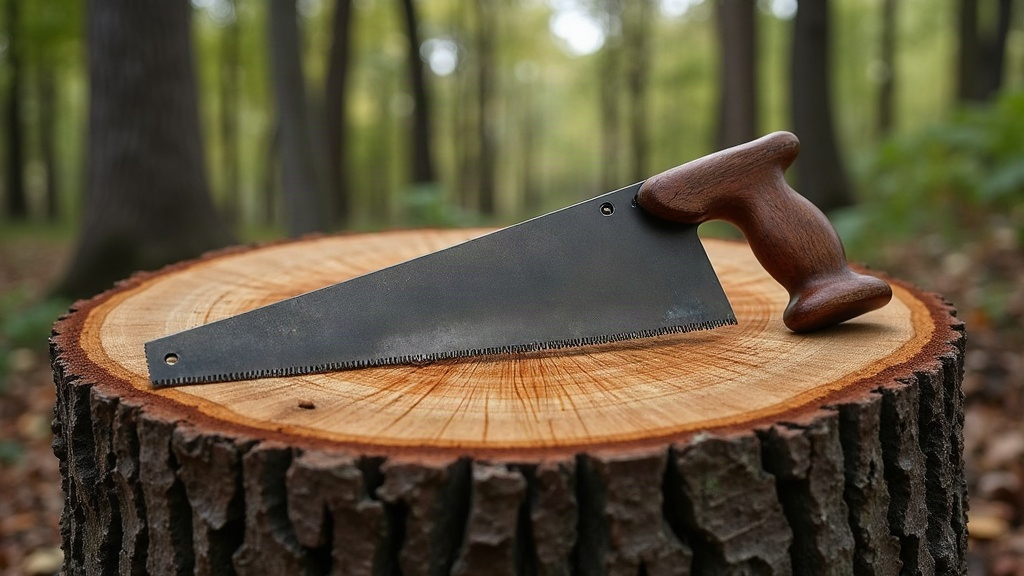
If you’ve ever stood next to a dead standing oak trying to figure out what to cut it down with, you already know the stakes. Oak is dense, it chews through edges, and it doesn’t forgive a bad tool choice. Short answer: a folding Silky saw wins on portability, speed on smaller diameters, and general trail use. A bow saw wins when you need raw cutting power on thick rounds and you’re processing serious volumes of camp firewood. Which one you actually need comes down to three things: the diameter of the wood, how far you have to hike your gear, and how much wood you need to get through.
Why Dead Standing Oak Is Different
Dead standing oak (sometimes called “punky” or “seasoned standing” wood) has already lost most of its moisture while still upright. That changes the equation:
- It’s harder and more brittle than green oak, so it puts more stress on saw teeth
- It tends to have a dry, tight grain that fights back against a dull blade
- It can hide grit, bark beetle damage, or rot pockets that will dull an edge fast
- It’s usually ready to burn right away, no seasoning needed
Put all that together and tool choice starts to matter a lot more than it would with softer, greener wood.
Folding Silky Saws: Strengths
Silky saws (Katana Boy, Gomboy, Zubat, Pocketboy) run aggressive impulse-hardened teeth that cut on the pull stroke. For oak specifically:
- Speed on small-to-medium diameter: A Silky Katana Boy 500 or 650 will drop through a 4-6 inch dead oak limb in a matter of seconds
- Portability: Folds down small enough to fit in a pack or belt sheath, which matters if you’re walking a mile out to your stand or bushcraft camp
- Precision: Great for limbing, notching, and controlled cuts, handy if you’re also building shelter components
- Low maintenance: Impulse-hardened teeth hold an edge a long time and can be swapped out as a full blade unit when they finally go
Limitation: Once you get into oak rounds over 8-10 inches, a folding saw slows way down and turns into an arm workout. The blade just can’t clear enough material per stroke, and your arm will give out before the log does.
Bow Saws: Strengths
A traditional bow saw (think the classic 24-30 inch frame with a coarse blade, basically a bigger sibling to a Bahco Laplander) is built for volume:
- Faster on large diameter: The long blade and wide-set teeth clear sawdust efficiently through 8-16 inch oak rounds
- Better for batch processing: Bucking a whole dead standing oak into stove lengths? A bow saw will get you through more wood per hour
- Cheap, replaceable blades: A few dollars a blade, sold at pretty much any hardware store
- Stable, two-handed leverage: Easier on the wrists over long, repetitive cutting sessions
Limitation: It’s bulkier to haul around, the frame can bend or need re-tensioning, and it’s clumsy for fine work like notching or limbing.
Head-to-Head Comparison
| Factor | Folding Silky Saw | Bow Saw |
|---|---|---|
| Best diameter | Under 8 inches | 8+ inches |
| Weight/portability | Excellent | Moderate/bulky |
| Speed on thick oak rounds | Slow | Fast |
| Precision cuts | Excellent | Poor |
| Blade replacement cost | Higher | Very low |
| Maintenance | Minimal | Occasional tensioning |
Which Should You Choose?
- Day hikes, bushcraft trips, backpacking: Grab a folding Silky saw. A Gomboy 240 or Pocketboy 170 if you want to save weight, a Katana Boy 650 if you want more bite.
- Base camp firewood processing, cutting a whole dead oak into rounds: Bring a bow saw. Or better yet, bring both. Use the Silky for limbing and precision work, then switch to the bow saw once you’re bucking the big rounds.
- Budget-conscious or beginner setups: A bow saw costs less upfront and replacement blades are cheap and easy to find.
- Frequent oak processing at scale: At some point it’s worth adding a folding buck saw, or even a small chainsaw, alongside your hand saws just for efficiency’s sake.
Practical Tips for Cutting Dead Standing Oak
- Check for rot pockets before you commit to a cutting angle. Oak has a habit of rotting from the inside while looking perfectly solid on the outside.
- Let the saw do the work. Force impulse-hardened Silky teeth through an unexpectedly hard section and you risk chipping the blade.
- Keep blades dry and lightly oiled between uses to fend off rust, especially after cutting through wet or rotted sections.
- Carry a spare bow saw blade. It weighs almost nothing and it’s cheap insurance against a snapped blade halfway through a trip.
Conclusion
There’s no single “best” saw for dead standing oak. It depends on diameter and how much work you’ve got ahead of you. A folding Silky saw is the smarter grab-and-go tool for limbing and smaller cuts. A bow saw earns its keep processing thick rounds into firewood. Plenty of experienced bushcrafters just carry both: a compact Silky for the trail, a bow saw stashed at camp for the heavy lifting.